
Here Come the Flexitarians
FIRST News
 By Nancy Mann Jackson
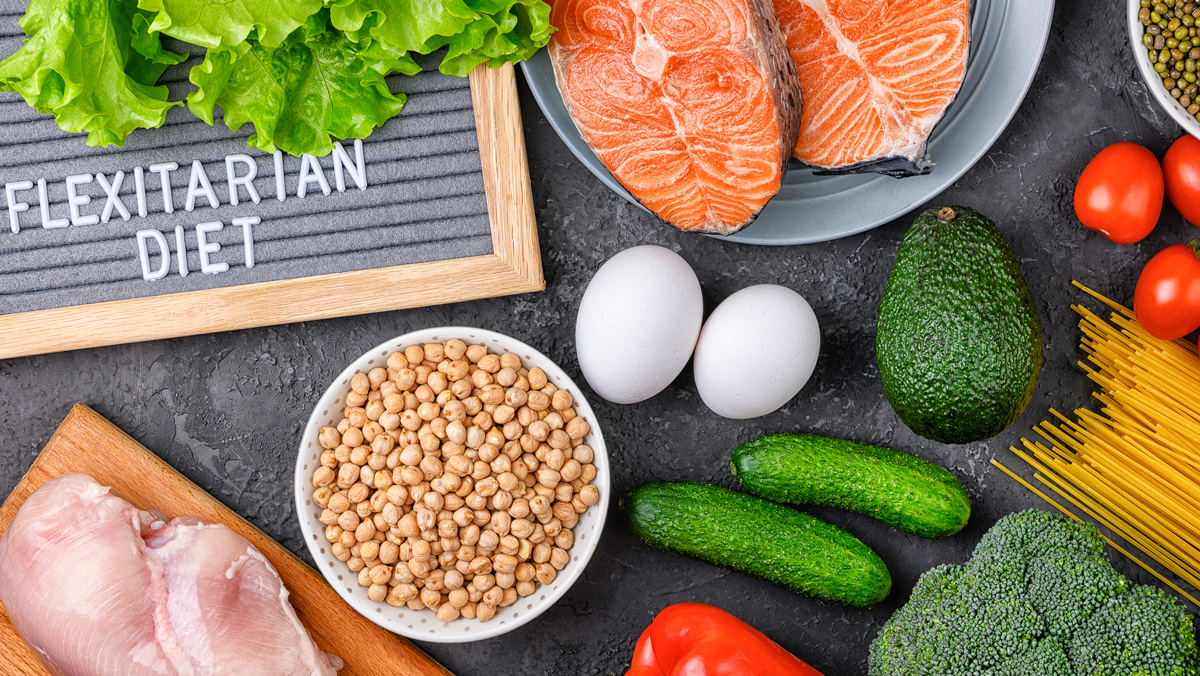
You’ve probably heard that the number of people following a flexitarian eating pattern is increasing. But why? And what does that really mean?
FIRST session, “The Global Demand for Protein and the Rise of Flexitarians,” delivers a crash course into what a flexitarian eating pattern is, which types of consumers are choosing this eating pattern, and why it may be a healthy, sustainable way to live, as well as information about the types of products that may help drive the trend moving forward.
Thirty-six percent of American adults call themselves flexitarians, meaning they eat mostly a plant-based diet, actively limiting meat, but they also add animal products at times, says Kristie Leigh, senior manager of scientific affairs at Danone North America.
Generally, younger consumers, such as those identifying as millennial and Gen Z, are more familiar with the term “flexitarian” and more likely to embrace this way of eating, says Amanda Torgerson, research lead at Datassential.
If “flexitarian” sounds like “flexible,” that’s because it is. In fact, the flexibility of this eating pattern is one of the main reasons people are likely to stick to it, Leigh says.
Flexitarianism is a balanced way of eating, which encourages variety rather than restriction, and focuses on limitation rather than elimination. There are no set rules for how much or how often to add animal products.
Why are so many people becoming flexitarians? For many of the young adherents, social pressures are an important influence: “The single best thing you can do to help with climate change is to lower your meat intake,” Torgerson says.
In addition to environmental and social benefits, a flexitarian eating pattern also allows for more choice and individual preference, and offers health benefits. It can help fill nutrient gaps, improve nutrient density, and help with weight management.
However, when a person limits their intake of meat or animal products, getting enough protein is always an important concern. The global demand for protein continues to increase as the world’s population grows and incomes rise, and both animal proteins and plant proteins will be required to meet that demand, says Keenan McRoberts, vice president, science and program strategy, United Soybean Board. By 2050, the global demand will increase between 30% and 50% from today’s global protein consumption, McRoberts says.
Flexitarians have a variety of choices for getting the protein they need. They often eat both traditional and plant-based dairy products, such as both animal-based milk and soy milk, which are good sources of complete protein, Leigh says.
Other options include lentils, kidney beans, peas, chickpeas, and quinoa, but soy offers the highest percentage of protein per kilocalorie, McRoberts explains. Soy offers a high-quality, easily digestible protein and soybeans produce the highest protein yield per land area compared with legumes and other plant-based proteins.
And soy farming is compatible with climate change concerns. Ninety-five percent of U.S. soy farmers are partnering with the U.S. Department of Agriculture to implement sustainable farming practices, McRoberts says. They’re also exploring new opportunities for providing soy-based protein products for flexitarian lifestyles.
Register for FIRST to view this session and 100+ more—available on demand through Dec. 31, 2021.
Nancy Mann Jackson is a freelance journalist based in Huntsville, Ala.
Digital Exclusives

The Complex Reality of ‘Clean’ and Shelf-Stable Foods
In an IFT FIRST Hot Topics Studio session, experts from PepsiCo and Glanbia Performance Nutrition examined consumer perceptions, technological realities, and the balancing act behind clean-label, shelf-stable products.

UPFs and Hyper-Palatability Under the Microscope
At an IFT FIRST Hot Topic Studio session, Purdue’s Richard Mattes examined whether ultra-processed foods are designed to be “irresistible” and why unclear definitions complicate the science.

Building Food as Medicine Into the Health System
In an IFT FIRST Hot Topics Studio session, The Rockefeller Foundation’s Dana Thomas and IFT’s Anna Rosales explored how to move food as medicine programs from pilots to scalable, insurer-funded solutions.

Fighting Food Misinformation
To counter science denial, lead with empathy, communication experts advise.
Food Technology Articles

Formulating for the Evolving GLP-1 Consumer
As the number of GLP-1 users continues to grow, it’s clear they are looking for more personalized, nutrient-dense food and beverage options to support their needs.

That’s the (Zero-Proof) Spirit
A visually oriented overview of low- and zero-proof spirits flavor, and ingredient trends.

Tackling Anemia With Turkey Berry
In Ghana, Achiever Foods is leveraging turkey berry, a local crop, to create food products that help combat anemia.

Targeting Older Consumers
Older adults, numbering 124.4 million in 2025, represent an important and potentially untapped market for food and beverage companies.

Morning Meal Musts: Affordable, Portable, Protein-Rich
Global flavors, nostalgia, and better-for-you innovations add zest to the breakfast occasion.
Recent Brain Food

Food Choice Reality Check
Martin Slayne, PhD, calls for ending the finger-pointing and focusing on collaboration, evidence-based science, and meaningful solutions for healthful food choices.
Déjà Vu and Some Things New in the 2025–2030 Dietary Guidelines
Former USDA nutrition policy leader and senior executive Robert Post reflects on the new national diet and nutrition guidance.
The IFT Community Discusses the MAHA Strategy Report
The food science community stressed that the MAHA strategy must be guided by current, high-quality science and clearer action steps to truly improve public health.
Processing in Perspective
A food scientist and IFT FIRST panelist explains the complexities of food processing and why science--and collaboration--are key.
Reimagining Nutrition Innovation
Hear from Maha Tahiri, an IFT FIRST panelist and leading voice in health and wellness on designing food with the whole person in mind.