
The Processed Foods Debate: Broadening the Conversation
In day one's keynote, four experts faced off in a lively debate surrounding the topic of processed foods.

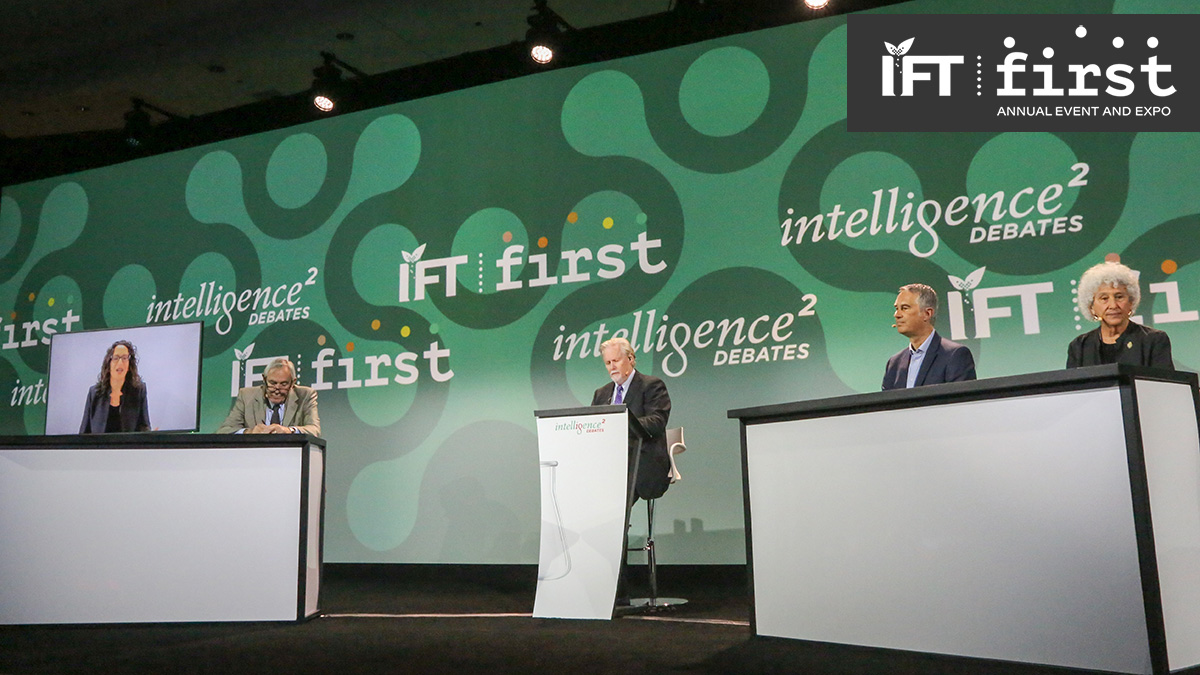 Day one of IFT FIRST got off to an invigorating start with a performance by Walt Whitman and the Soul Children of Chicago, followed by a riveting keynote debate around the topic of processed foods. The question: Should we eat more processed foods? Organized by IFT and Intelligence Squared, a media company that conducts live debates, the session featured two industry experts arguing each side of the debate.
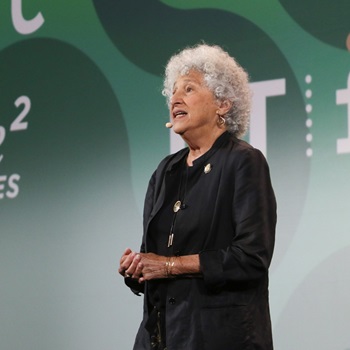
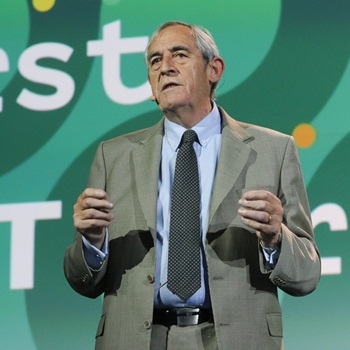
On the pro-processed foods side, Amy Webb, CEO of Future Today Institute, and Michael Gibn…
About the Author


Manual Feature
Latest News

How GLP-1 Adoption Is Shaping Formulation Strategies
As GLP-1 adoption reshapes appetite, satiety, and purchasing patterns, food and beverage manufacturers are reassessing formulation strategies. In this Q&A, Tate & Lyle’s Jenna Peterson discusses ingredient approaches to support sugar reduction, fiber fortification, and nutrient density while maintaining taste and texture.
Food Choice Reality Check
Martin Slayne, PhD, calls for ending the finger-pointing and focusing on collaboration, evidence-based science, and meaningful solutions for healthful food choices.
The Role of Filtration in Modern Food and Beverage Processing
As scrutiny around ultra-processed foods grows, manufacturers are examining processing choices more closely. In this Q&A, Pall Corporation’s Kartheek Anekella, PhD, explains how filtration supports ingredient functionality and modern food manufacturing.

A Practical Guide to EMPs
In this column, the author discusses the purpose of environmental monitoring programs, their regulatory basis, and how zoning helps identify and control environmental pathogen risks.

Nutrition Gets Personal
In this column, the authors explore how genetics, multi-omics tools, wearables, and AI are advancing precision nutrition and predicting individual dietary responses.